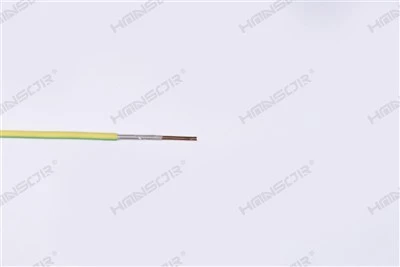
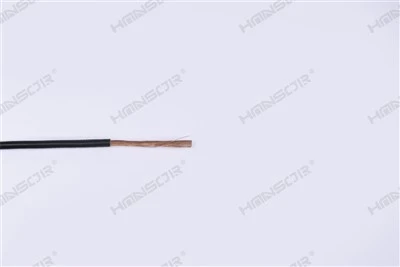
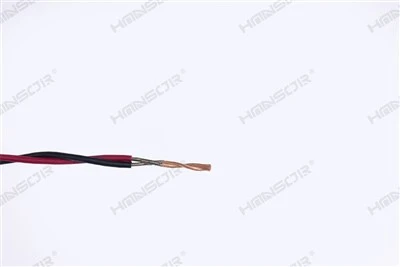
The voltage rating of a control cable is primarily determined by the operating voltage of the specific application. Common ratings include 0.45/0.75 kV and 0.6/1 kV, while 1.8/3 kV is selected for certain specialized scenarios to meet diverse control circuit requirements. The 0.45/0.75 kV rating is the baseline, suitable for low-voltage control circuits-such as those for standard instrumentation, small machine tools, and building automation systems-where the operating voltage does not exceed 450 V; it is the most widely used rating due to its cost-effectiveness and ability to satisfy most basic control needs. The 0.6/1 kV rating is suitable for medium-to-low voltage control circuits, such as those for variable frequency drives (VFDs), motor controls, and power distribution cabinet interlocking circuits; it supports operating voltages up to 600 V, offers superior insulation performance compared to the 0.45/0.75 kV class, withstands voltage fluctuations, and is well-suited for complex industrial control environments. The 1.8/3 kV rating is a high-voltage class intended for control circuits located near high-voltage equipment-such as in power plants and substations-where it resists high-voltage electromagnetic interference, prevents insulation breakdown, and ensures stable signal transmission. Selection should be based on the control circuit's operating voltage and electromagnetic environment; the cable's voltage rating must exceed the actual operating voltage, incorporating a safety margin to prevent insulation breakdown caused by excessive voltage. Conversely, high-voltage rated cables should not be used for low-voltage circuits, as this increases costs and results in reduced flexibility, making installation more difficult.

 English
- English
- Français
- Deutsch
- 日本語
- Italiano
- Español
- Português
- русский
- Svenska
- slovenčina
- Polski
- Cymraeg
- Türkçe
- Български
- Việt Nam
- اردو
- hrvatski
- slovenščina
- Lietuvių
- Ελληνικά
- বাংলা
- Kreyòl Ayisyen
- íslenska
- bosanski
- O'zbek
- عربي
- Srbija jezik (latinica)
- România limbi
- Indonesia
- Gaeilgenah Éireann
- suomi
- Malti
- Čeština
- 한국어
- dansk
- עברית
- Català
- Latviešu
- हिंदी
- Norsk
- Melayu
- فارسی
- Eesti
- Bai Miaowen
- українська
- magyar
- Nederlands
- ไทย