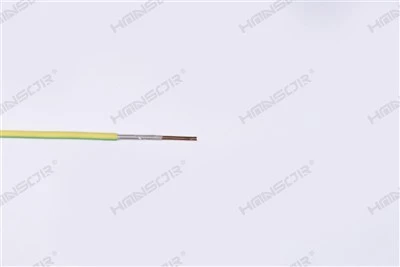
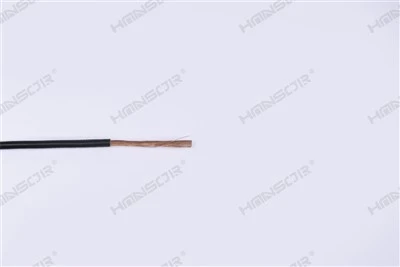
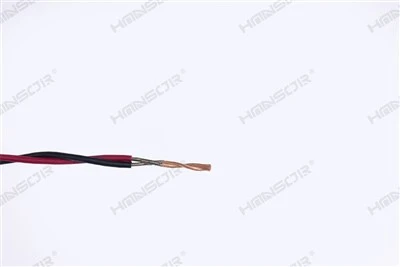
The working principle of insulated wires and cables relies on the synergistic interaction between the conductor and the insulation layer. The conductor, typically made of copper or aluminum, is responsible for transmitting electric current. Meanwhile, the insulation layer employs polymer materials-such as polyvinyl chloride (PVC), cross-linked polyethylene (XLPE), or rubber-whose molecular structures exhibit extremely high electrical resistivity, effectively preventing electrons from escaping the conductor. Taking PVC as an example, the material incorporates additives like plasticizers and stabilizers to form a dense molecular barrier while maintaining flexibility, thereby ensuring stable, long-term operation at rated voltages. The thickness and material properties of the insulation layer directly determine the cable's voltage rating; for instance, a design rated for 450/750V signifies that the insulation layer can withstand the electric field strength within this range without undergoing dielectric breakdown.

 English
- English
- Français
- Deutsch
- 日本語
- Italiano
- Español
- Português
- русский
- Svenska
- slovenčina
- Polski
- Cymraeg
- Türkçe
- Български
- Việt Nam
- اردو
- hrvatski
- slovenščina
- Lietuvių
- Ελληνικά
- বাংলা
- Kreyòl Ayisyen
- íslenska
- bosanski
- O'zbek
- عربي
- Srbija jezik (latinica)
- România limbi
- Indonesia
- Gaeilgenah Éireann
- suomi
- Malti
- Čeština
- 한국어
- dansk
- עברית
- Català
- Latviešu
- हिंदी
- Norsk
- Melayu
- فارسی
- Eesti
- Bai Miaowen
- українська
- magyar
- Nederlands
- ไทย