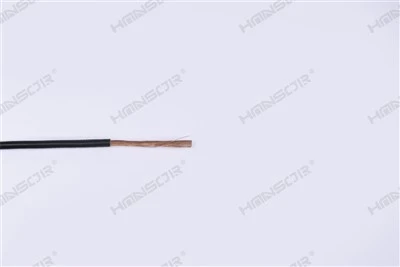


XLPE insulated wire starts with polyethylene as its base material, which undergoes a chemical conversion process involving organic peroxides to create its cross-linked molecular structure. This cross-linking technique for polyethylene originated in the U.S. back in the 1950s and has seen ongoing refinement ever since, particularly to meet the demands of ever-higher voltage levels. As the need for increased transmission capacity has grown, 500 kV XLPE cable systems have now reached commercial availability.
Construction
|
Item |
Specification |
|
Conductor |
Stranded construction, 0.20 mm diameter, available in bare copper or copper-clad aluminum (CCA with 25% copper content); compliant with ROHS standards |
|
Insulation |
PVC-based material, 1.5 mm nominal size, formulated for flame retardancy and ROHS compliance |
|
Insulation Wall Thickness |
Minimum 0.65 mm |
|
Outer Sheath |
PVC compound, RAL 7035 light gray color, flame-retardant grade and ROHS certified |
|
Number of Cores |
Available in 2, 3, 4, 6, 8, 10, 12, 14, or 16 conductors |
Application
Control cables featuring XLPE insulation, braided shielding, steel tape armoring, and a flame-retardant, halogen-free PVC outer sheath are available in voltage ratings of 450/750V and 600/1000V.
For shielding methods, control cables typically employ either copper wire braiding or copper tape wrapping. Copper wire braided screens offer a stable construction-their shielding effectiveness remains consistent regardless of cable bending or external conditions, while maintaining full cable flexibility. This braiding can achieve a density of over 80%. In comparison, copper tape wrapping can provide up to 100% coverage.
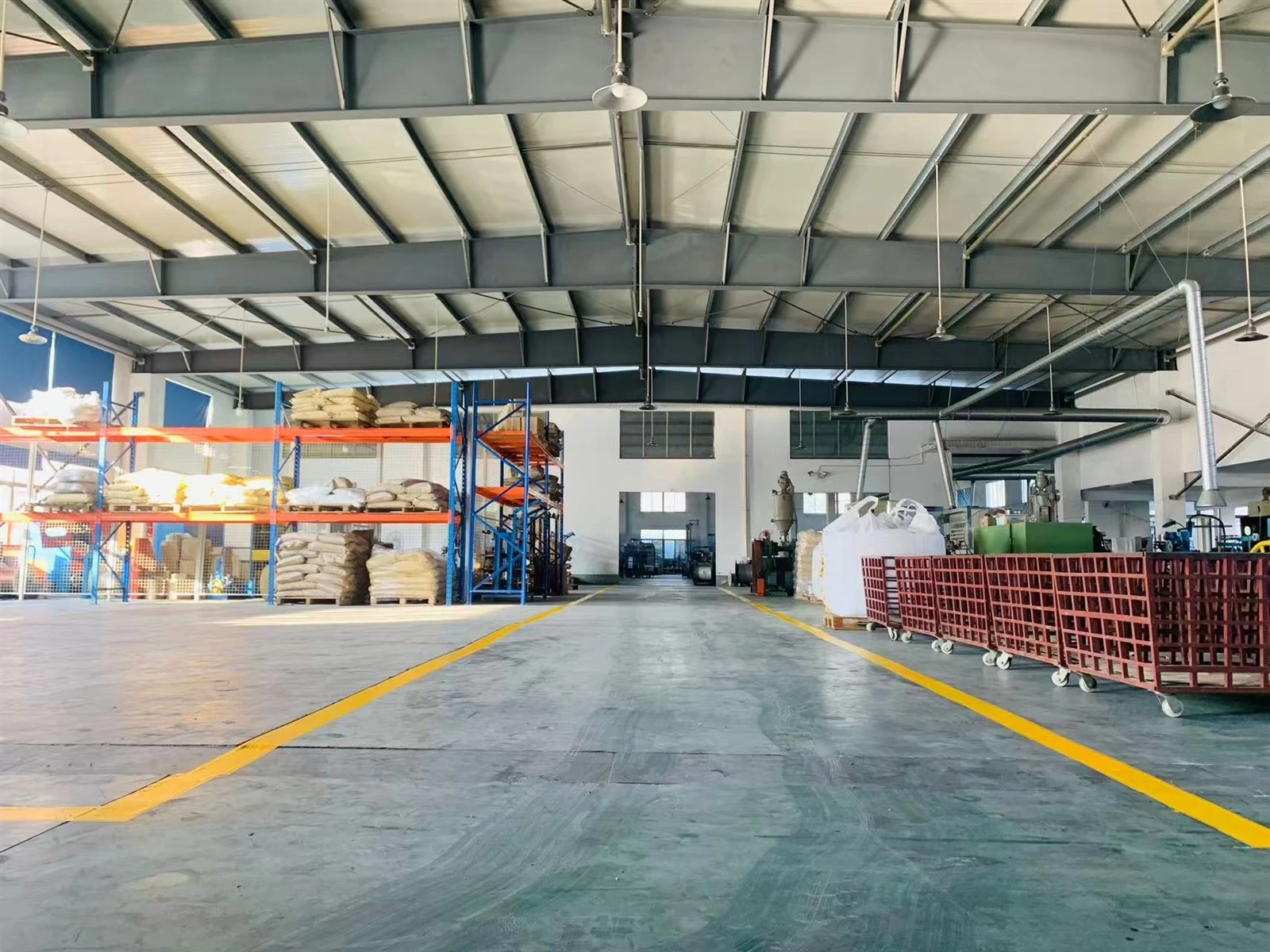
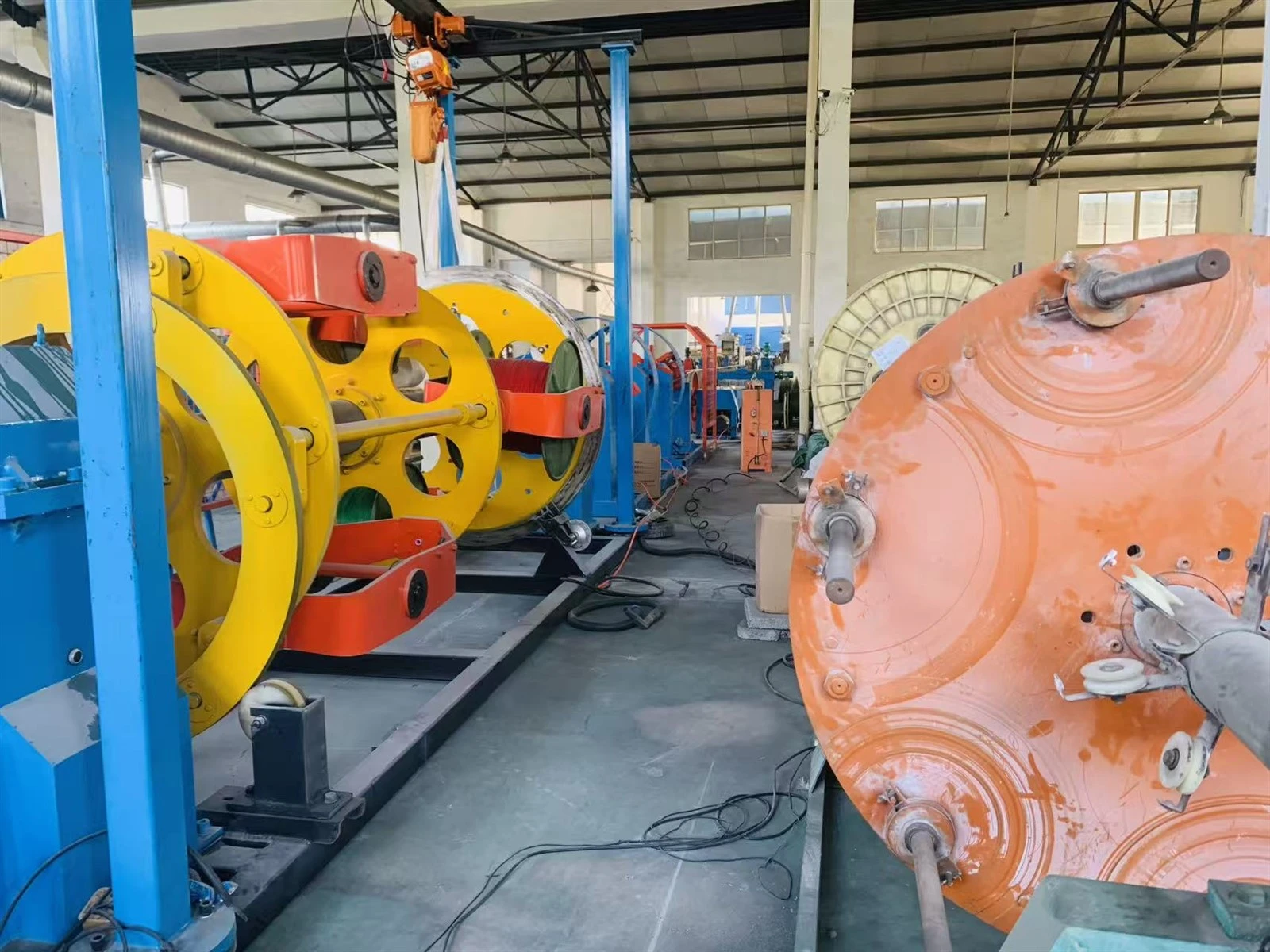
PVC-insulated screened control cables are designed for systems with rated voltages not exceeding 450/750V.
For continuous operation, the maximum conductor temperature is 70°C for PVC-insulated cables and 90°C for XLPE-insulated varieties.
Installation should be carried out at ambient temperatures above 0°C, and the minimum bending radius during installation should be six times the cable's overall diameter.
Applicable Standard
Conductors comply with IEC 60228 requirements.
This product is manufactured in accordance with IEC 60502-1, which specifies high-molecular polymer insulated power cables. The standard covers voltage ratings ranging from 1 kV (Um = 1.2 kV) up to 35 kV (Um = 40.5 kV). Specifically, Part 1 of these standard addresses cables rated at 1 kV (Um = 1.2 kV) and 3 kV (Um = 3.6 kV).

Key Advantages
1. Electric Field Distribution
Compared to sector-shaped conductors, round stranded conductors offer a more even electric field distribution, which supports higher voltage ratings for the cable.
2. Flexibility and Bending Performance
A stranded conductor, composed of multiple individual wires, provides superior flexibility and bending capability. When a solid single conductor is bent, the material on the outer side of the neutral axis undergoes tension, while the inner side experiences compression. In a stranded construction, however, the individual wires can slide relative to one another, allowing the inner and outer portions to compensate for differential strain. This prevents permanent deformation during bending and significantly enhances both the flexibility and structural stability of the core.
For XLPE insulated cables, bendability is roughly proportional to the square root of the number of stranded wires-more strands result in easier bending. However, the overall flexibility is also constrained by the outer protective layers. Consequently, industry standards specify an optimal number of strands for each nominal cross-section.
3. Lay Direction and Stranding Configuration
To prevent untwisting, the lay direction is alternated between layers (left-hand and right-hand), ensuring that each layer maintains a fixed position and remains compact. This arrangement also ensures uniform elongation across all layers when the cable is bent.
The total number of individual wires in a stranded core can be expressed as:
K = 1 + 6 + 12 + … + 6n (where n = 1, 2, 3, …)
Conductor sizes are specified by cross-sectional area in square millimeters, though nominal cross-section standards may vary by country.
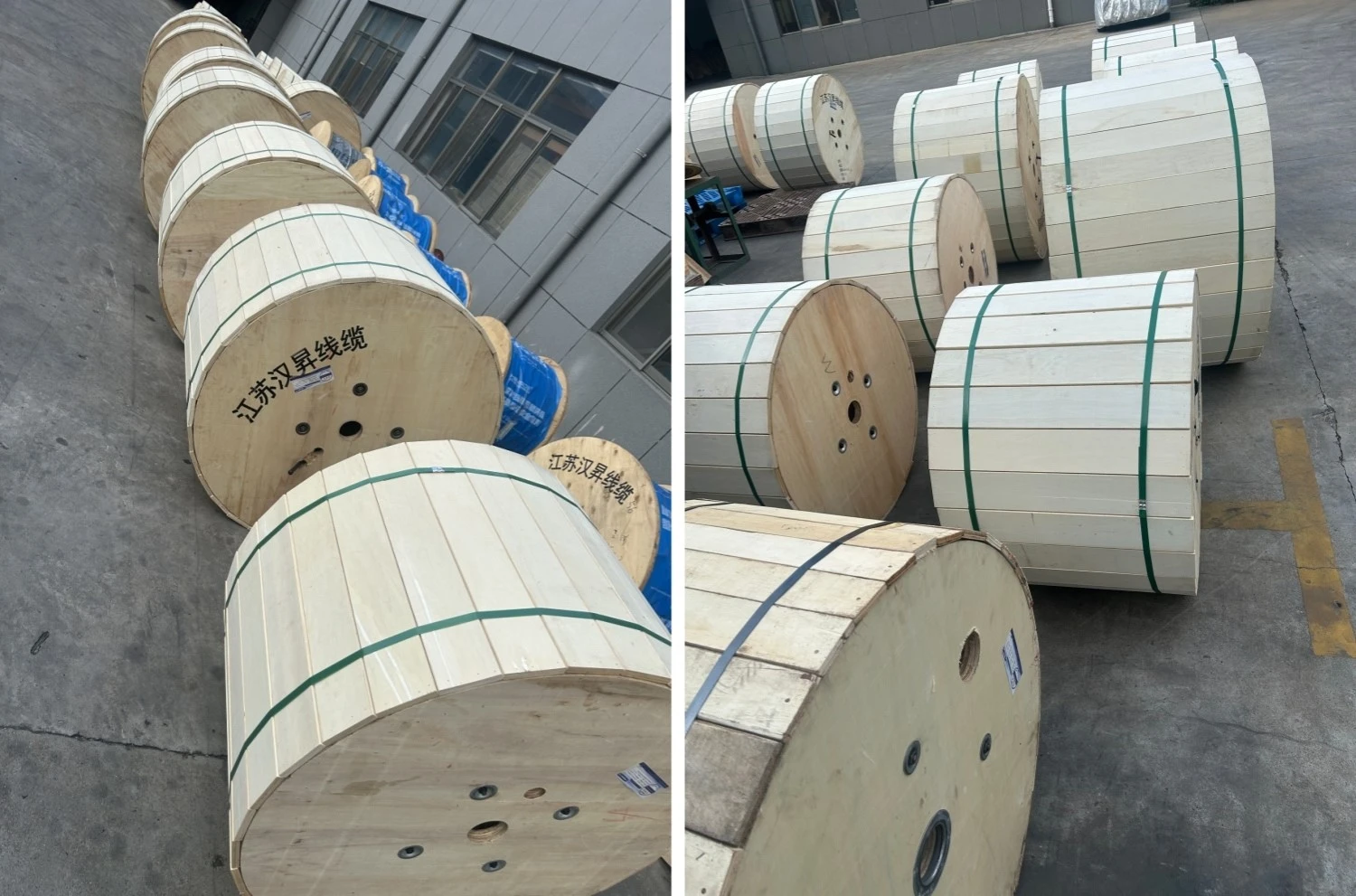
Packaging
Finished product + wooden barrel packaging

Hot Tags: xlpe insulated wire, China xlpe insulated wire manufacturers, suppliers, factory, electric wire, LSZH Fire Resistant Twisted Pair Wire, LSZH Fire Resistant Wire, LSZH Insulated Flexible Wire, PVC Insulated Flexible Wire, PVC Insulated Wire