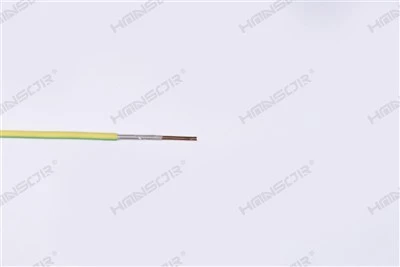
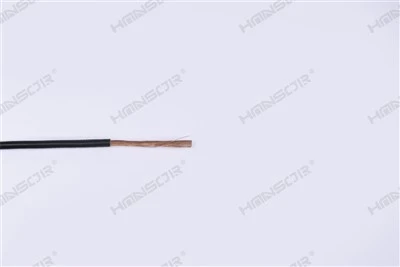
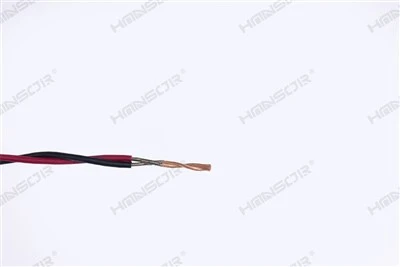
From a technical standpoint, the exceptional flexibility of flexible cables stems primarily from their specialized structural design. Typically, the conductors are composed of multiple strands of fine copper or aluminum wire twisted together; this configuration not only enhances electrical conductivity but also significantly improves the cable's ability to withstand bending and twisting. Furthermore, the insulation and sheath layers are made from flexible, wear-resistant materials-such as rubber, polyvinyl chloride (PVC), or polyurethane (PU)-which offer excellent electrical insulation properties while effectively resisting environmental degradation and abrasion.

 English
- English
- Français
- Deutsch
- 日本語
- Italiano
- Español
- Português
- русский
- Svenska
- slovenčina
- Polski
- Cymraeg
- Türkçe
- Български
- Việt Nam
- اردو
- hrvatski
- slovenščina
- Lietuvių
- Ελληνικά
- বাংলা
- Kreyòl Ayisyen
- íslenska
- bosanski
- O'zbek
- عربي
- Srbija jezik (latinica)
- România limbi
- Indonesia
- Gaeilgenah Éireann
- suomi
- Malti
- Čeština
- 한국어
- dansk
- עברית
- Català
- Latviešu
- हिंदी
- Norsk
- Melayu
- فارسی
- Eesti
- Bai Miaowen
- українська
- magyar
- Nederlands
- ไทย