
Understanding the "Core": The Interplay Between Conductor and Insulation
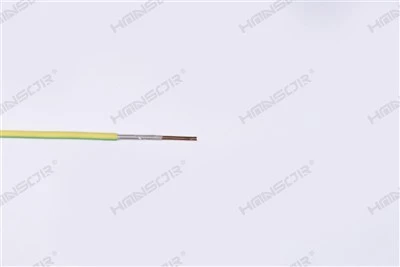
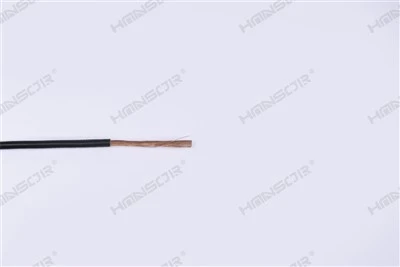
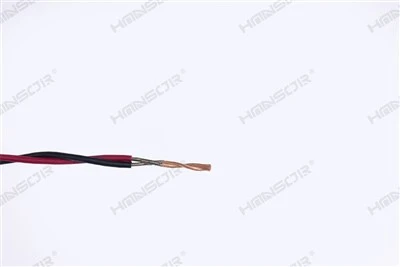
When selecting power cables, the first step is to examine their internal structure-much like checking vital organs during a medical exam. The conductor serves as the path for electric current and typically comes in two types: copper and aluminum. Copper-core cables offer excellent conductivity, high mechanical strength, and strong corrosion resistance; while the initial investment is higher, they boast low failure rates over the long term, making them ideal for applications requiring high stability. Aluminum-core cables, valued for their lightweight nature and cost-effectiveness, are well-suited for long-distance power transmission or non-critical circuits. The insulation layer acts as a barrier protecting the conductor from external elements; common materials include cross-linked polyethylene (XLPE) and polyvinyl chloride (PVC). XLPE offers superior temperature resistance, allowing for higher operating temperatures and greater current-carrying capacity, whereas PVC is flexible and easy to bend during installation, making it suitable for standard fixed wiring. Understanding the distinct characteristics of these materials helps you make the right choice based on load requirements and environmental conditions.
Matching the Application: Environmental Factors Dictate Selection
Cables come in various forms, as different operating environments present unique challenges. If a cable is to be buried underground or installed within conduits, waterproofing and moisture resistance are paramount; in such cases, prioritize the abrasion resistance and water-blocking capabilities of the outer sheath. For environments like factory workshops exposed to oil or chemical corrosion, standard sheathing may be inadequate, necessitating the use of specialized materials resistant to oil, acids, and alkalis. Furthermore, if the line passes through high-temperature zones or requires frequent movement, the cable's heat resistance rating and flexibility become critical factors. For instance, flexible rubber-sheathed cables are the preferred choice for temporary power supply at construction sites due to their excellent tensile strength and pliability. Fire safety requirements must also be considered; in densely populated areas or near critical infrastructure, halogen-free, low-smoke, flame-retardant cables can effectively slow the spread of fire and minimize toxic smoke, buying valuable time for evacuation.
Practical Tips to Avoid Pitfalls: Detailed Inspection and Proper Installation
Once you have the cable, meticulous inspection and proper installation are crucial steps to ensure optimal performance. When inspecting the exterior, check that the insulation surface is smooth and even, and free of bubbles, cracks, or impurities-defects that often signal potential quality issues. When measuring the conductor diameter, use calipers to verify that the actual size matches the nominal specification; this prevents the purchase of undersized products, which can lead to excessive resistance and severe overheating. During installation, the bending radius is a crucial yet easily overlooked parameter. Excessive bending can damage the internal structure, impair electrical performance, or even cause short circuits. Therefore, adhere to minimum bending radius requirements during cable laying and avoid forceful pulling. Proper termination is also paramount; high-quality crimping and sealing measures significantly reduce contact resistance and prevent accidents caused by overheating. Regular inspections and maintenance-such as cleaning away dust and checking for signs of aging-are essential to ensure the cable system remains in optimal condition throughout its long service life.