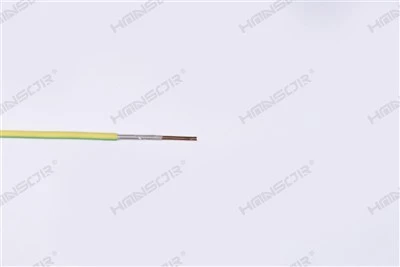
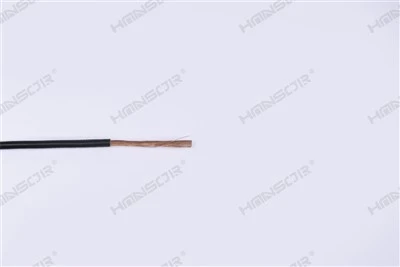
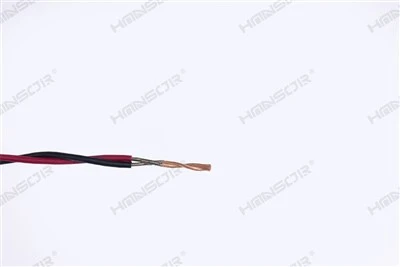
Intermediate joints for control cables are permitted under specific conditions, provided that relevant industry standards and operational protocols are strictly followed to ensure the safety and reliability of the cable system. From the perspective of industry standards, the handling of intermediate joints is subject to rigorous regulation. In critical sectors such as power and telecommunications, intermediate joints are often viewed as potential points of risk; improper installation can lead to signal attenuation, increased interference, or even safety incidents. Consequently, many standards mandate that intermediate joints be avoided whenever possible-particularly in critical paths or high-demand applications-or that specialized jointing technologies and materials be used to guarantee connection quality. However, in practical applications, the use of intermediate joints is sometimes unavoidable due to factors such as cable length limitations or complex routing paths. In such instances, specific measures must be implemented to ensure the safety and reliability of the joints. These include selecting high-quality materials and advanced jointing techniques to ensure that the electrical and mechanical properties at the joint match those of the original cable; conducting rigorous testing and inspection-such as insulation resistance and withstand voltage tests-to verify compliance with standards; and applying clear labeling and protective measures at the joint location to facilitate future maintenance and repair. Furthermore, even when intermediate joints are permitted, their number should be minimized. Each joint represents a potential point of failure and adds to system complexity and maintenance costs. Therefore, during the design and installation phases, factors such as cable length, routing, and joint requirements should be carefully considered to optimize the overall performance and reliability of the cable system. In summary, while intermediate joints for control cables are permissible under specific conditions, strict adherence to industry standards and operational protocols is essential, alongside the implementation of measures to ensure the safety and reliability of the connections.

 English
- English
- Français
- Deutsch
- 日本語
- Italiano
- Español
- Português
- русский
- Svenska
- slovenčina
- Polski
- Cymraeg
- Türkçe
- Български
- Việt Nam
- اردو
- hrvatski
- slovenščina
- Lietuvių
- Ελληνικά
- বাংলা
- Kreyòl Ayisyen
- íslenska
- bosanski
- O'zbek
- عربي
- Srbija jezik (latinica)
- România limbi
- Indonesia
- Gaeilgenah Éireann
- suomi
- Malti
- Čeština
- 한국어
- dansk
- עברית
- Català
- Latviešu
- हिंदी
- Norsk
- Melayu
- فارسی
- Eesti
- Bai Miaowen
- українська
- magyar
- Nederlands
- ไทย