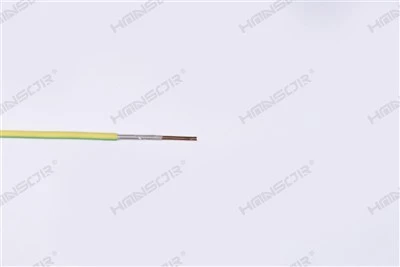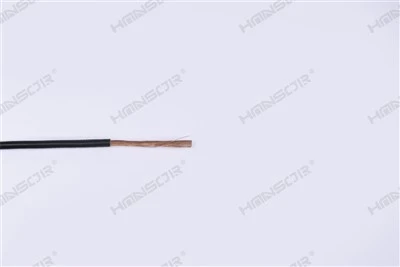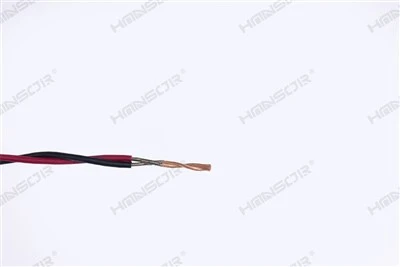

Different types of electrical wires utilize various internal metal materials. Common conductor materials include copper, aluminum, and copper-aluminum alloys.
Copper is an excellent conductor material, prized for its high electrical conductivity, thermal conductivity, and ductility; consequently, it is widely used in the manufacture of wires and cables. Common types of copper wire include pure copper wire and tinned copper wire.
Aluminum wire offers advantages such as light weight and low cost, although its electrical conductivity is inferior to that of copper wire. In certain low-voltage applications-such as lighting circuits in residential wiring-aluminum wire is sometimes chosen as a substitute for copper wire.
Copper-aluminum alloy wire is a conductor material produced by combining copper and aluminum in specific proportions. Because aluminum is less dense than copper, copper-aluminum alloy wire has a lower density and lighter weight than pure copper wire, yet it retains better electrical conductivity than pure aluminum wire; as a result, it is widely used in power transmission lines.