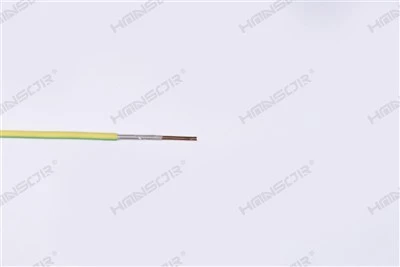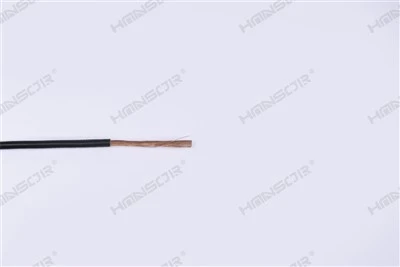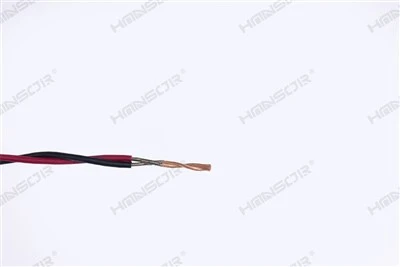

The length of time electrical wires can be stored depends on various factors. Generally, under proper storage conditions, wires can be kept for an extended period without compromising their performance or usability.
Shelf Life of Electrical Wires
The shelf life of electrical wires varies based on the brand, materials, and quality. Typically, unopened wires stored in a dry, well-ventilated indoor environment can last for one to three years, or even longer. However, once the packaging is opened and the wire is put into use, its lifespan becomes subject to a range of influencing factors.
Impact of Storage Conditions
Storage conditions are crucial to the shelf life of electrical wires. Wires should be stored in a dry, ventilated area, away from moisture and high temperatures. Excessive humidity can cause the copper core to oxidize, while high temperatures can accelerate the aging of the insulation layer, thereby shortening the wire's service life. Additionally, protecting wires from direct sunlight and contamination by chemicals is essential for maintaining their quality.
Impact of Usage
The service life of electrical wires is also closely linked to how and where they are used. Proper usage can extend their lifespan; for instance, avoiding excessive bending or pulling, ensuring the current load does not exceed the wire's rated capacity, and performing regular inspections and maintenance. Conversely, harsh operating environments-such as those involving frequent mechanical damage or exposure to corrosive substances-will significantly reduce the wire's service life.
Differences in Product Quality
The lifespan of electrical wires varies significantly depending on their quality. High-quality wires are manufactured using premium materials and undergo rigorous quality control and testing, resulting in a longer service life. In contrast, inferior wires may be made from low-grade materials, leading to compromised performance and a shorter lifespan.