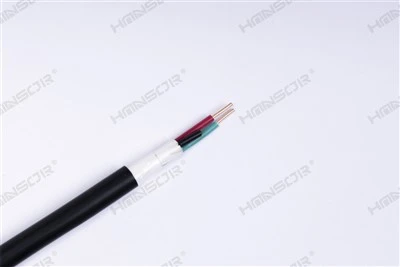


Low-voltage power cables are defined as those having a rated operating voltage-whether alternating current (AC) or direct current (DC)-that does not exceed 0.6/1 kV. In practice, any AC system operating below this threshold is commonly classified as a low-voltage circuit, with the 220/380 V supply being a typical example used in residential and civilian applications. Such low-voltage lines are predominantly installed either as overhead conductors or buried directly underground, while a smaller portion may be routed through protective conduits or cable trenches.
Application
Low-voltage power cables are those rated at 0.6/1 kV or below, and they are commonly employed in the distribution of electrical power or signal transmission at low-voltage levels. A typical LV cable is composed of three main elements: the conductor, the insulating layer, and the outer sheath. The conductor, which carries the electric current, is generally formed by twisting together multiple strands of high-purity oxygen-free copper or aluminum wire. Surrounding the conductor is the insulation, made from non-conductive materials such as polyethylene, PVC, or rubber, serving to electrically isolate the conductor from its environment. The outermost part is the protective covering, designed to shield the cable from physical damage, chemical attack, fire hazards, and other external threats; this layer is often constructed from materials like steel tape, steel wire, or aluminum foil.
Constructions
Conductor material
Made of Class 2 stranded copper or aluminum.
Insulation layer
Utilizes cross-linked polyethylene (XLPE) or polyvinyl chloride (PVC).


Armoring protection
Provided by either steel wire or steel tape.
Outer sheath
Manufactured from PVC or polyethylene (PE).
Benefits
Durable by Design: Constructed using specially formulated materials that deliver reliable performance under severe conditions.
Field-Proven Reliability: Each cable undergoes rigorous real-world testing to guarantee dependable operation in demanding industrial environments.
Customizable Configuration: Choose from a range of insulation options-including PVC/nylon, XLPE, and EPR-paired with your preferred jacket materials such as PVC, CPE, or LSZH to match your specific application requirements.
Packaging
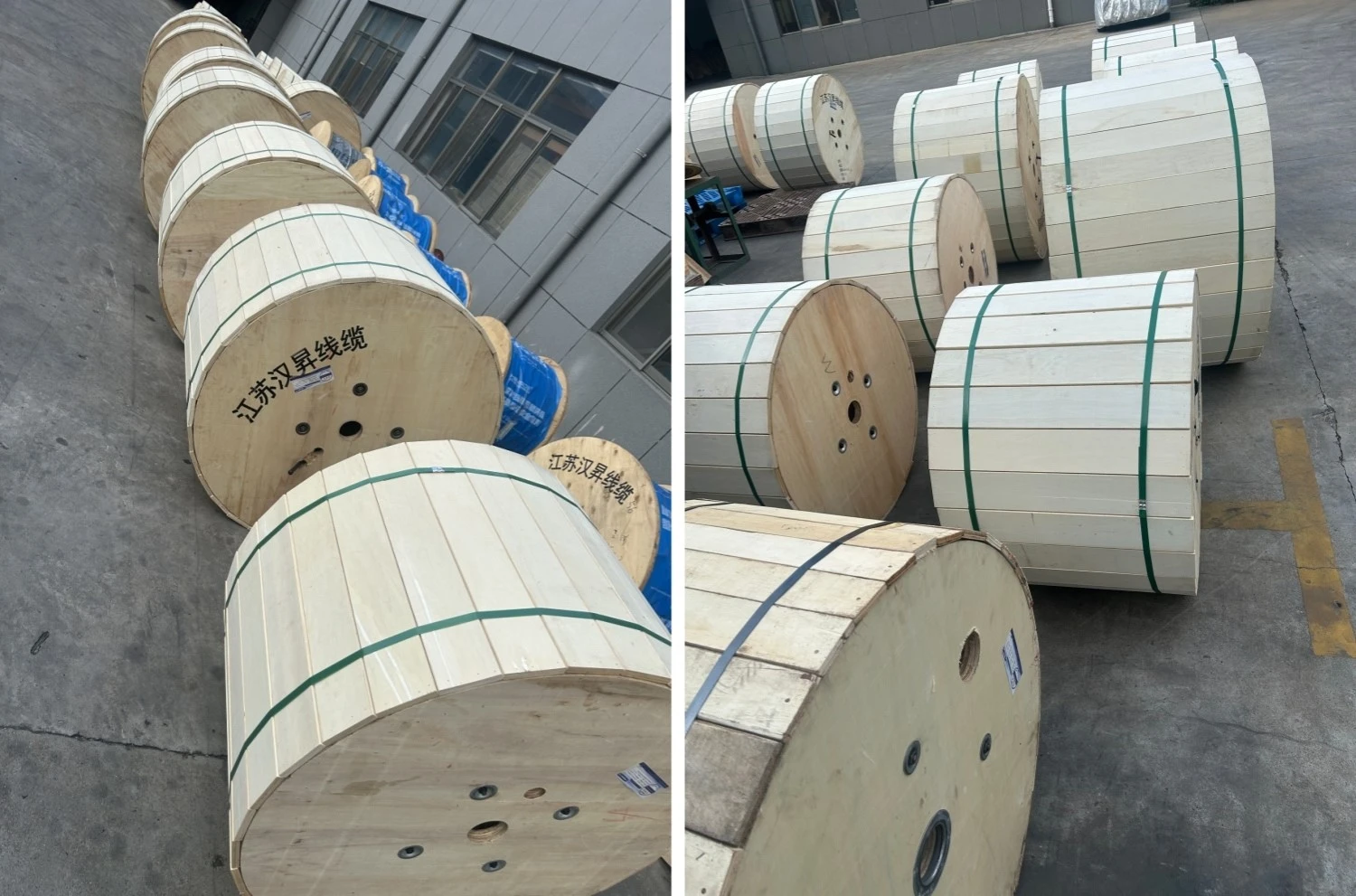
Finished product + wooden barrel packaging
Technical Sheet
|
Model |
|||
|
Copper core |
Aluminum core |
Name |
Laying Occasion |
|
YJV |
YJLV |
XLPE insulated PVC sheathed non-armored cable |
|
|
YJY |
YJLY |
XLPE insulated PE sheathed non-armored cable |
Laid indoors and in tunnels and pipelines |
|
YJV22 |
YJLV22 |
XLPE insulated steel tape armored PVC sheathed cable |
|
|
Adapt for buried laying, not suitable for |
|||
|
YJV23 |
YJLV23 |
XLPE insulated steel tape armored PE sheathed cable |
in-pipe laying |
|
YJV32 |
YJLV32 |
XLPE insulated thin steel wire armored PVC sheathed cable |
|
|
YJV33 |
YJLV33 |
XLPE insulated thin steel wire armored PVC sheathed cable |
Laid on riverbeds of rivers or shallow water as connecting lines |
|
YJV42 |
YJLV42 |
XLPE insulated thick steel wire armored PVC sheathed cable |
across rivers or petroleum/natural gas platforms, |
|
YJV43 |
YJLV43 |
XLPE insulated thick steel wire armored PE sheathed cable |
also used in land high drop areas. |

Hot Tags: low voltage power cable, China low voltage power cable manufacturers, suppliers, factory, Armoured Sheathed Cable, Fire Resistant Power Cable, Low Smoke Zero Halogen Power Cable, Low Voltage Power Cable, power cable, Special Power Cable