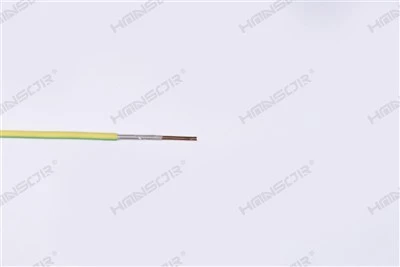
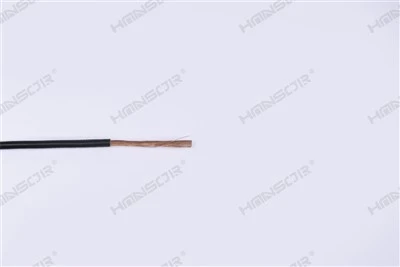
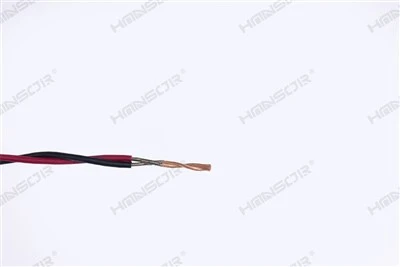
1. Wires are primarily made from pure copper and aluminum; brass and oxygen-free copper are used less frequently.
2. Pure copper is the preferred material for wire manufacturing due to its excellent electrical and thermal conductivity.
3. Brass is an alloy of zinc and copper; while it offers good elasticity, its electrical conductivity is relatively poor, so it is typically used for structural components such as sockets and terminal posts.
4. Oxygen-free copper is a form of pure copper with extremely low oxygen content; it features excellent conductivity and high strength but comes at a higher price, making it common in vacuum electronic devices where airtightness and vacuum integrity are critical.
5. In high-end audio equipment, the use of oxygen-free copper wiring reflects a premium market positioning and delivers superior performance, though its usage volume remains relatively limited.
6. Due to the high cost of pure copper, aluminum was historically used as a conductor material, despite aluminum having inferior conductivity and strength compared to copp

 English
- English
- Français
- Deutsch
- 日本語
- Italiano
- Español
- Português
- русский
- Svenska
- slovenčina
- Polski
- Cymraeg
- Türkçe
- Български
- Việt Nam
- اردو
- hrvatski
- slovenščina
- Lietuvių
- Ελληνικά
- বাংলা
- Kreyòl Ayisyen
- íslenska
- bosanski
- O'zbek
- عربي
- Srbija jezik (latinica)
- România limbi
- Indonesia
- Gaeilgenah Éireann
- suomi
- Malti
- Čeština
- 한국어
- dansk
- עברית
- Català
- Latviešu
- हिंदी
- Norsk
- Melayu
- فارسی
- Eesti
- Bai Miaowen
- українська
- magyar
- Nederlands
- ไทย