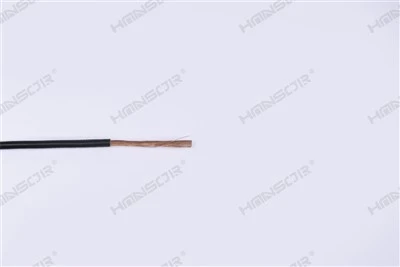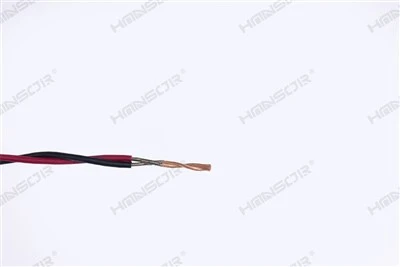

1. Choose copper-core wiring: Above all, electrical wiring must have excellent conductivity. While various types of wire are available on the market, copper-core wire is the most commonly used for interior renovations. Note that copper-core wires come in different varieties, such as solid-core (single-strand) and stranded (multi-strand) types.
2. Wires with high load-bearing capacity: Household electricity consumption fluctuates; peak usage often involves running the TV, air conditioner, computer, lights, water dispenser, refrigerator, and hair dryer simultaneously. If the wiring lacks sufficient load capacity-especially during the hot summer months-excessive heat can cause the wires to ignite, leading to fires.
3. Good water resistance: Some wire casings are prone to deformation or cracking. Should a water leak occur, this could damage appliances, cause short circuits, or even result in fires and casualties. Therefore, it is essential to select wires with durable, waterproof insulation.
4. Main lines must have thick cores: The "main line" refers to the primary pair of conductors connecting the main power source to the various appliances. Thick copper-core wire is mandatory for main lines because they must handle the combined electrical load of all appliances; high-performance, thick copper wire is required for this purpose. Stranded (multi-core) wire may be used for branch circuits.