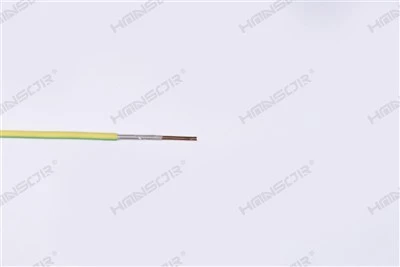
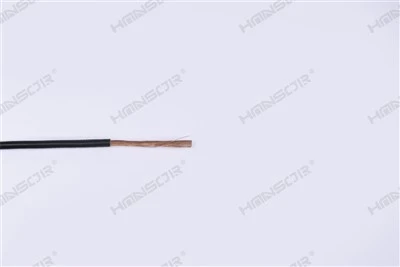
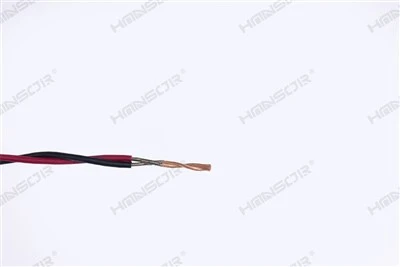
The defining characteristics of flexible cables lie in the flexibility of their conductors and the durability of their insulation layers. Unlike rigid cables, flexible cables are typically constructed from stranded fine copper wires; they offer a smaller bending radius, making them easier to install in confined spaces or applications involving frequent movement. Common types include power cables, control cables, BV wires (fixed wiring cables), stranded aluminum conductors, and aluminum conductor steel-reinforced (ACSR) cables. Additionally, specialized variants-such as flame-retardant, fire-resistant, and low-smoke zero-halogen (LSZH) cables-have been developed to meet stricter performance standards regarding fire safety and environmental safety (non-toxicity).

 English
- English
- Français
- Deutsch
- 日本語
- Italiano
- Español
- Português
- русский
- Svenska
- slovenčina
- Polski
- Cymraeg
- Türkçe
- Български
- Việt Nam
- اردو
- hrvatski
- slovenščina
- Lietuvių
- Ελληνικά
- বাংলা
- Kreyòl Ayisyen
- íslenska
- bosanski
- O'zbek
- عربي
- Srbija jezik (latinica)
- România limbi
- Indonesia
- Gaeilgenah Éireann
- suomi
- Malti
- Čeština
- 한국어
- dansk
- עברית
- Català
- Latviešu
- हिंदी
- Norsk
- Melayu
- فارسی
- Eesti
- Bai Miaowen
- українська
- magyar
- Nederlands
- ไทย