


The RVV cable is a lightweight, highly flexible multi-conductor copper wire featuring PVC insulation and an outer PVC sheath. It ranks among the most commonly deployed cables for low-voltage general-purpose power delivery, security system signaling, and internal appliance wiring.
Its standard type designation is broken down into straightforward technical elements: R (from ruan) identifies the flexible stranded conductor construction; the initial V denotes PVC insulation applied to each individual core; and the second V indicates the external protective PVC covering.
Application
Residential & Office Equipment
Delivers power to frequently moved appliances including washing machines, refrigerators, vacuum cleaners, and kitchen implements.
Security & Entry Systems
Provides energy supply for CCTV surveillance networks, building intercoms, door contact sensors, and intruder alarms.


Interior Machine Control
Links internal conveyor tracks, lightweight automated handling units, and electronic instrument panels that undergo routine positional changes or torsional stress.
Comparative Analysis: RVV and Its Alternatives
When designing electrical layouts, it's essential to differentiate RVV from more robust industrial-grade cables:
RVV vs. RVVP: Standard RVV lacks electromagnetic shielding. For security lines routed in proximity to large motors or high-voltage feeders, RVVP is recommended-it incorporates a braided copper or aluminum screen to suppress signal interference.
RVV vs. KVVR: Although both employ highly flexible Class 5 copper stranding, they serve distinct industrial classifications. RVV carries a 300/500V rating for light-duty appliances and electronic equipment. KVVR, on the other hand, is a reinforced industrial control cable rated at 450/750V, featuring a thicker outer sheath to endure harsher manufacturing environments.
RVV vs. BVV: BVV is a non-flexible cable constructed with either a solid copper conductor (Class 1) or stiff coarse stranding (Class 2). Opt for BVV when installing permanent, stationary wiring within wall cavities. Choose RVV when the application demands bending, flexing, or free movement during routine operation.

Packaging
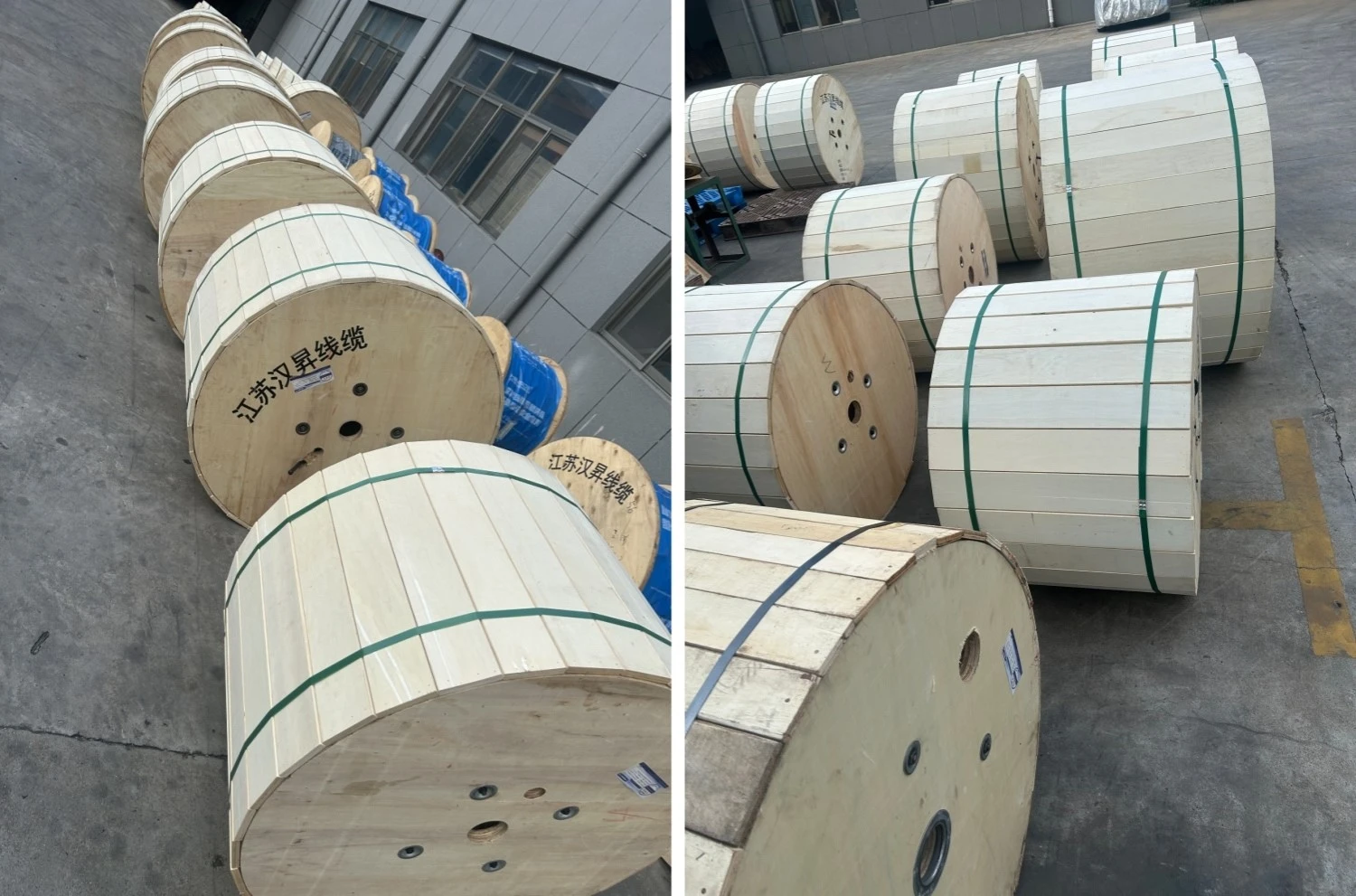
Finished product + wooden barrel packaging
Technical Specifications Matrix
|
Specification Feature |
Standard Engineering Data |
|
Rated Voltage (U₀/U) |
300/300 V (light duties) or 300/500 V (standard duties). |
|
Conductor Composition |
Class 5 fine-stranded high-purity bare copper. |
|
Insulation & Jacket |
Premium Polyvinyl Chloride (PVC). |
|
Operating Temp Range |
-15°C to +70°C maximum continuous conductor workload. |
|
Core Configurations |
Available from 2 cores up to 37 cores. |
|
Cross-Section Area |
Typically ranges from 0.5 mm² to 2.5 mm² (up to 6 mm² max). |
|
Minimum Bend Radius |
6 × the outer cable diameter (6× OD). |

Hot Tags: rvv cable, China rvv cable manufacturers, suppliers, factory, Fire Resistant Flexible STA Copper LSZH Cable, Flame Retardant Flexible STA Copper LSZH Cable, Flexible STA Copper LSZH Cable, LSZH Flexible Copper Cable, RVV CABLE, Shielded Flexible Copper LSZH Cable


